
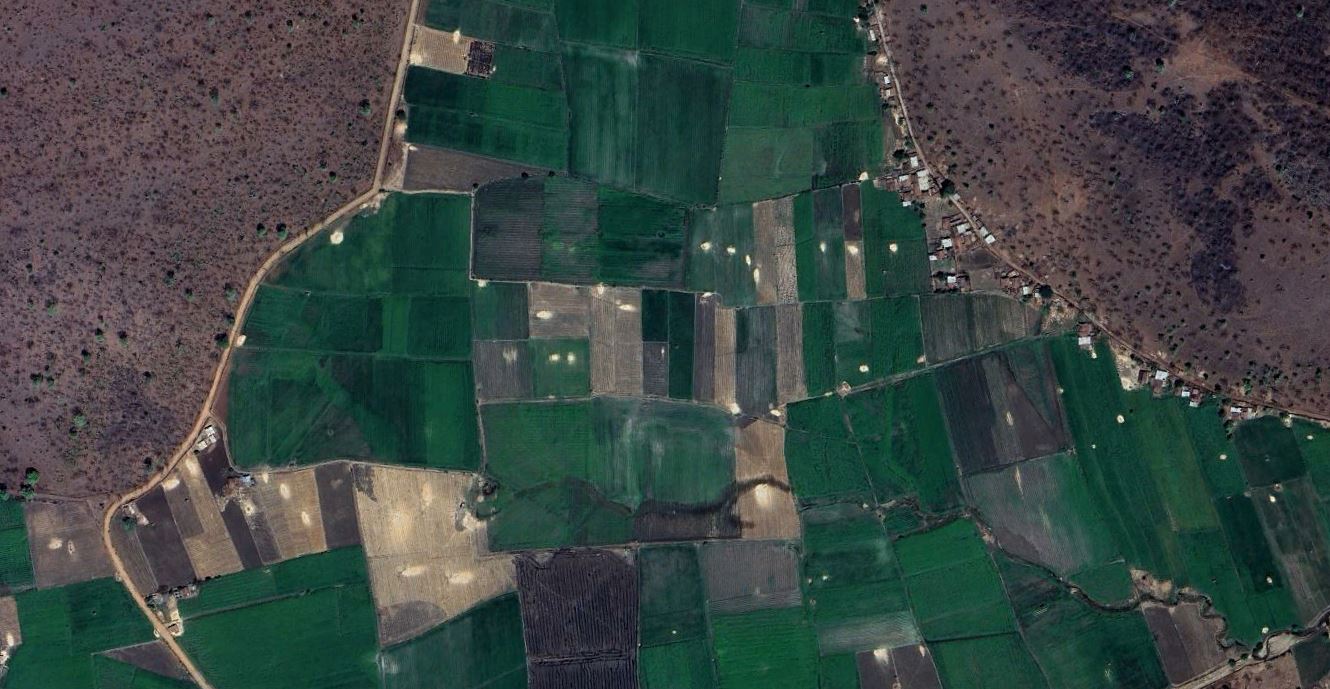
Remote Sensing to Understand Crop Health for Precision Agriculture
Join us for a comprehensive webinar on leveraging remote sensing technologies to enhance crop health monitoring and management in precision agriculture
Join us for a comprehensive webinar on leveraging remote sensing technologies to enhance crop health monitoring and management in precision agriculture
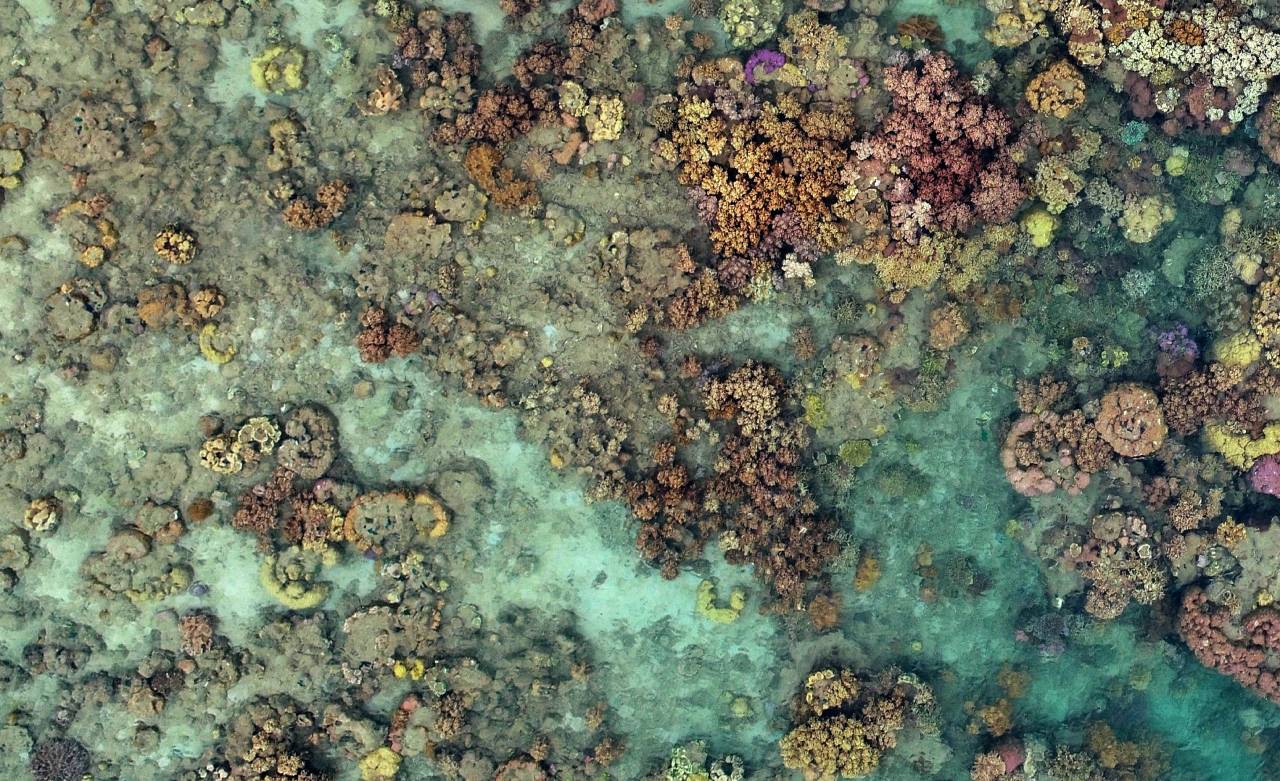
Small Island Developing States (SIDS) face significant challenges from natural disasters, climate change, and limited resources, particularly the degradation of coral reefs due to rising sea temperatures.
Small Island Developing States (SIDS) face significant challenges from natural disasters, climate change, and limited resources, particularly the degradation of coral reefs due to rising sea temperatures.
Soil moisture is a critical parameter influencing various environmental processes, agricultural productivity, and hydrological modeling. Traditional methods of soil moisture measurement
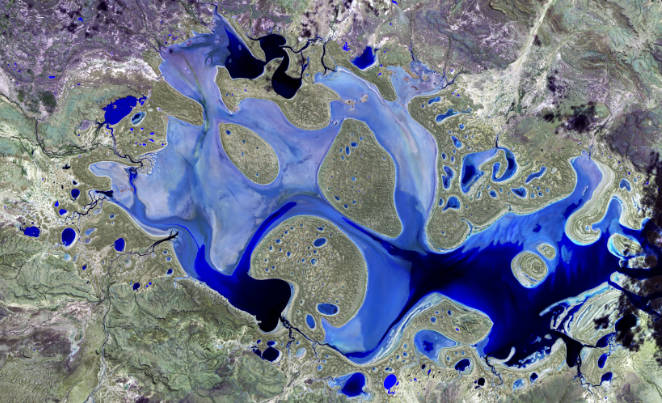
Floods are frequent natural hazards that produce an unusual water overflow that submerges a large area, affecting the frontline communities, their livelihood, environmental vulnerability, and increasing social and economic consequences.
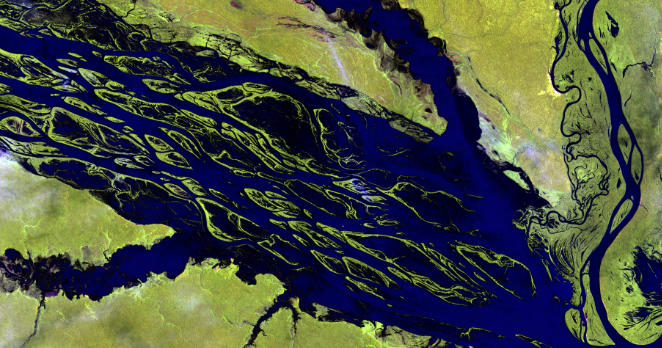
Global Navigation Satellite System has emerged as more beneficial in monitoring the Earth's atmosphere for natural hazards and space weather events around the globe with high-resolution datasets
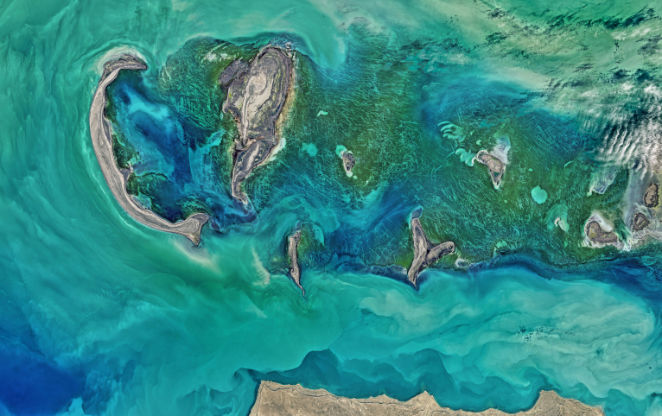
This webinar will reveal the significance of applications for advances in remote sensing and artificial intelligence in marine and coastal studies. The webinar will demonstrate programming integration with the RS and AI disciplines
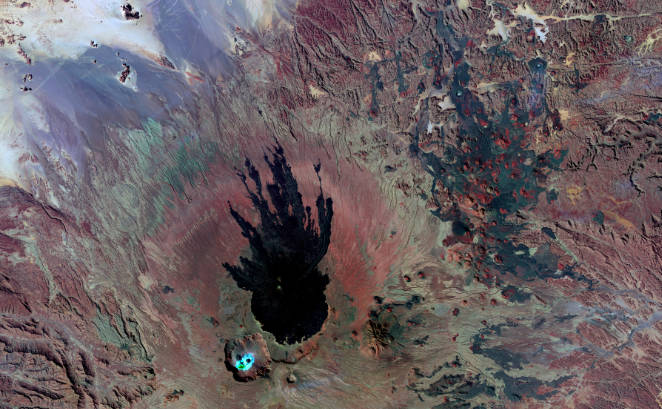
This webinar will reveal the significance of applications for advances in remote sensing and artificial intelligence in marine and coastal studies. The webinar will demonstrate programming integration with the RS and AI disciplines
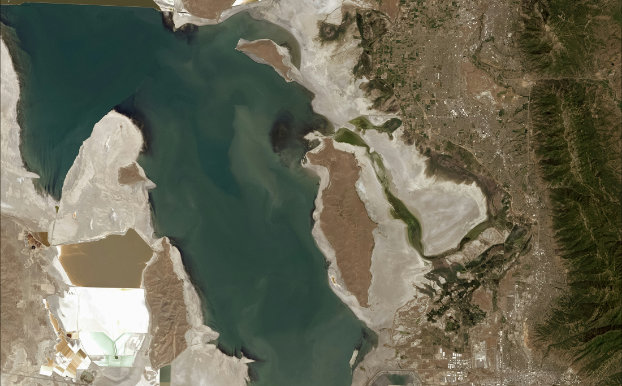
This talk covers the integration of recent GenAI technologies (Large Language Models) for earth observation and climate data. We will cover models developed by MBZUAI
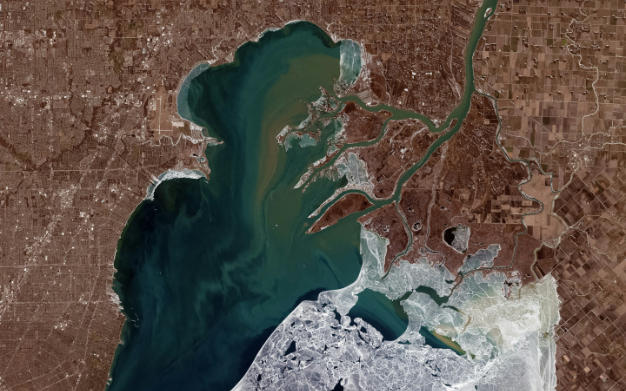
Drones are transforming air pollution and climate research by providing real-time, high-resolution data from inaccessible areas and providing vertical information within the atmospheric boundary layer.
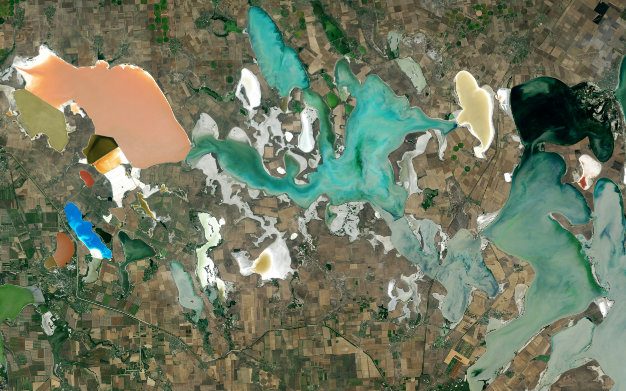
This webinar explores the application of Geographic Information Systems (GIS) and Remote Sensing in the field of renewable energy. The session will begin with an introduction to GIS and Remote Sensing, highlighting their importance in renewable energy planning
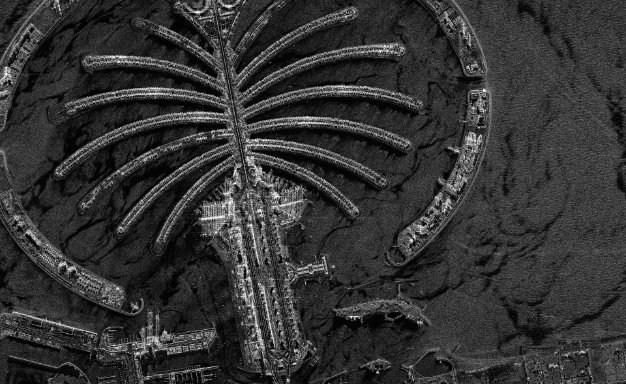
The webinar will focus on Dr. Maral’s research at the intersection of Earth Observation (satellite InSAR), machine learning, and geotechnical engineering for monitoring critical infrastructure like tailings dams. Additionally, it will explore cutting-edge EO and ML